
When Swifts Arrive in Britain Each Spring
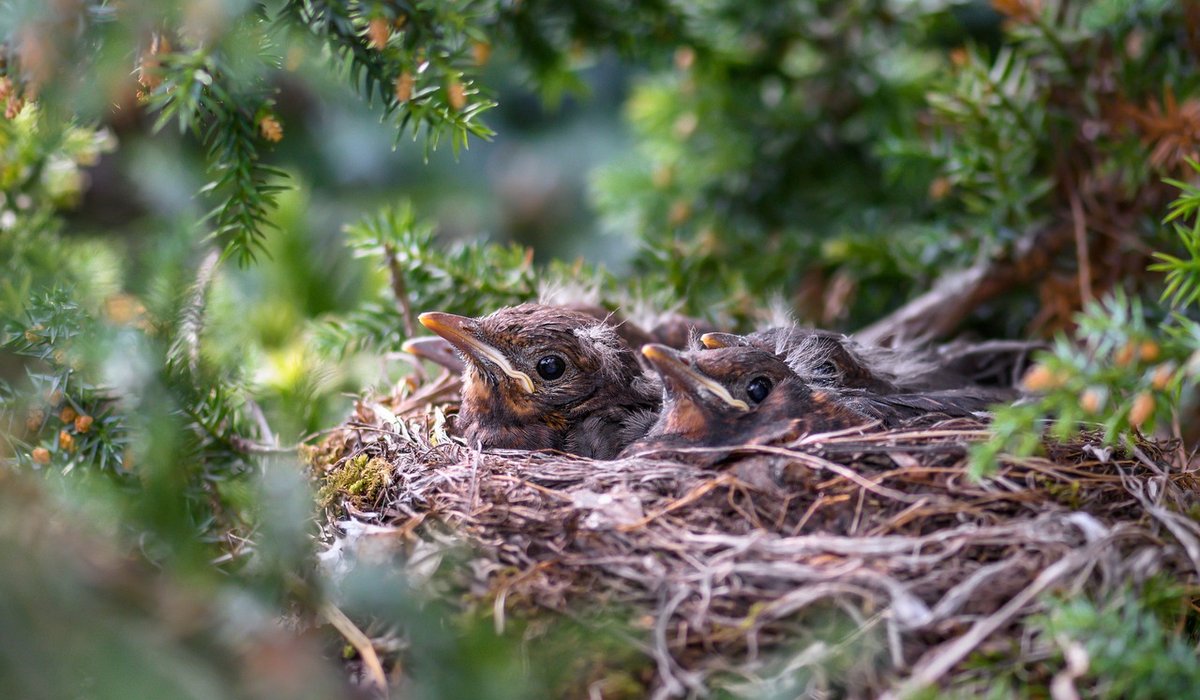
The First Swifts of the Year
Every spring, birdwatchers across Britain wait for a sound that marks the real beginning of summer: the piercing, high-pitched scream of swifts wheeling over rooftops. The first birds usually arrive in the final week of April, with the bulk of the population pouring in during the first three weeks of May. Peak arrival falls around the second week of May, when a warm southerly airflow can bring hundreds of birds into a single county in a day.
Arrival is rarely uniform across the country. Southern England and the south coast tend to see birds first, often ten days to a fortnight ahead of northern England and Scotland. Coastal watchpoints and large wetlands pick up passing birds before they settle into towns and villages, so a swift over a reservoir in late April may not yet be a bird that will breed nearby.
By mid-August, most adults have gone; juveniles linger a little longer, and a handful of late birds appear into early September. That short window — roughly sixteen weeks — is the whole British season.
What Drives the Arrival Dates
Swift arrival is not a fixed calendar event. These birds winter in central and southern Africa and cross the Sahara, the Mediterranean and western Europe on the way. What matters most is the wind they meet.
Periods of warm southerly or south-westerly air usually produce the biggest arrivals, particularly when they coincide with high pressure over France and Iberia. Conversely, a stubborn northerly or a cold easterly can stall birds for days, holding them on the continent or along the coast. A cold, wet May is a genuine danger: swifts feed entirely on airborne insects, and prolonged rain and low temperatures can cause birds to abandon nesting attempts or even die from starvation.
African rainfall also plays a part. Good rains over the wintering grounds produce plentiful insects, helping birds build condition before the crossing. The timing of the spring flush of insects over Britain matters just as much — swifts arrive when aerial insects, not flowers, are on the wing.
Long-term records suggest arrival dates have shifted a little earlier over recent decades, but the picture is complicated: a warming climate brings earlier springs but also more erratic May weather.
Telling Swifts from Swallows and House Martins
Confusion is common, especially in early spring when every dark bird against a grey sky seems promising. A few pointers will sort most sightings quickly.
- Swift: all-over sooty brown or black, scythe-shaped wings, a short forked tail, and no white anywhere. Flies fast and straight, often in tight screaming parties around rooftops.
- Swallow: glossy blue-black above, creamy white below, a red throat and long tail streamers. Often perches on wires and flies low over fields and water.
- House martin: glossy blue-black above with a brilliant white rump and white underparts. Wings are broader and shorter than a swift's.
If you can see a clear white rump, it is not a swift. If it never lands and never perches, it very likely is.
Where and When to Watch
Swifts are birds of towns and villages as much as countryside. Older housing stock with deep eaves, church towers, and terraced streets with gaps under roof tiles are traditional strongholds. In the afternoon and early evening, look for "screaming parties" — groups of birds racing around rooftops, sometimes flying within a metre of the eaves.
Weather shapes your chances. Fine, warm days with light southerly winds and plenty of insects are best. Watch what the birds do: when swifts feed high, settled weather is likely; when they feed low and fast over water or grassland, rain is usually on the way.
A few practical habits make a difference:
- Scan from a fixed spot at the same time each evening to build a picture of local birds.
- Listen before you look — the scream is distinctive once learned.
- Check warm days after a spell of southerlies; those are the days that deliver new arrivals.
- Note the exact date and location of your first bird each year.
Helping Swifts When They Return
Swift numbers in Britain have fallen sharply, and the loss of nest sites is a major cause. Renovations, roof repairs and the sealing of eaves remove places that may have been used for decades, since swifts are faithful to the same nest site year after year.
If you would like birds on your street, a few steps help:
- Fit a purpose-built swift nest box or, in new buildings, a swift brick.
- Play calls near a new box during May to attract prospecting birds.
- Avoid disturbing active nests — swifts are protected whilst breeding.
- Leave insect-friendly planting and a little untidiness in the garden to support the insects they depend on.
Keep watching each spring. Recording your first arrival, the weather that brought it, and the numbers you see through the summer adds to a national picture that matters far more than any single sighting. The swifts will not wait, and neither should your notebook.

4 Comments