
Creating a Swift-Friendly Garden Without Trees
Why Swifts Need Gardeners Like You
Swifts are the quintessential sound of a British summer evening. Their screaming parties overhead are a joy, but they are also a warning. Since 1995, the UK swift population has fallen by more than half. These birds spend almost their entire lives airborne, eating, sleeping, and even mating on the wing. They feed exclusively on aerial insects – the tiny flies, beetles, moths, and aphids that drift above our heads. A garden without trees might seem unlikely to help, but the truth is that swifts do not need trees for nesting. They need insects, and they need nesting cavities in buildings. Your small, paved, or courtyard garden can supply the first, and you may be able to help with the second too.
The Truth About Trees and Swifts
It is a common misconception that swifts nest in trees. They do not. In the UK, swifts nest almost exclusively in cavities in walls and under the eaves of old buildings. Trees are valuable for insects, but they are not essential for swifts. A paved garden can still become a rich hunting ground if you think in three dimensions. Instead of a canopy of leaves, you create a mosaic of pots, planters, hanging baskets, and window boxes. Each container becomes a small insect factory. The key is to choose plants that produce nectar and pollen over a long season, and to avoid anything that kills insects.
Planters That Pull Their Weight
Forget neat bedding plants. To attract the insects that swifts eat, you want a messy, generous mix of flowering herbs and perennials. Use the largest containers you can fit – at least 30–40 cm across – because small pots dry out too quickly. Fill them with peat-free compost and add a slow-release organic fertiliser. Then plant in layers: trailing plants around the edge, upright flowers in the middle, and something tall at the back if space allows.
- Spring and early summer: chives, thyme, marjoram, wallflowers, and honesty. These provide nectar for early bees and hoverflies.
- Midsummer: lavender, catmint, salvia, oregano, and borage. All are magnets for pollinators and other flying insects.
- Late summer and autumn: sedum, asters, Japanese anemones, and rudbeckia. These keep the insect larder open just before swifts depart in August.
- Night shift: evening primrose, night-scented stock, and honeysuckle (as a climber in a pot) attract moths, which are a favourite swift food.
Deadhead some flowers to keep them blooming, but leave others to set seed. Seedheads feed birds in winter and provide shelter for insects. Never use pesticides, slug pellets, or weedkillers. Even organic ones can harm the insects your swifts rely on.
Water Features for Aerial Insect Prey
Water is the single best addition to a paved garden for swifts, because many aerial insects – especially midges, mayflies, and mosquitoes – begin life in water. You do not need a pond. A shallow pebble dish, a glazed pot with a small solar fountain, or a buried bucket with a landing stone will do. The water should be no more than 5 cm deep at the edges, with plenty of stones or gravel for insects to land on. Change the water every few days to prevent it becoming stagnant, or add a few stems of oxygenating plants. A gentle mist from a hand sprayer on hot evenings can also bring insects into the air, which is exactly what hunting swifts want.
Nest Boxes and a Year-Round Plan
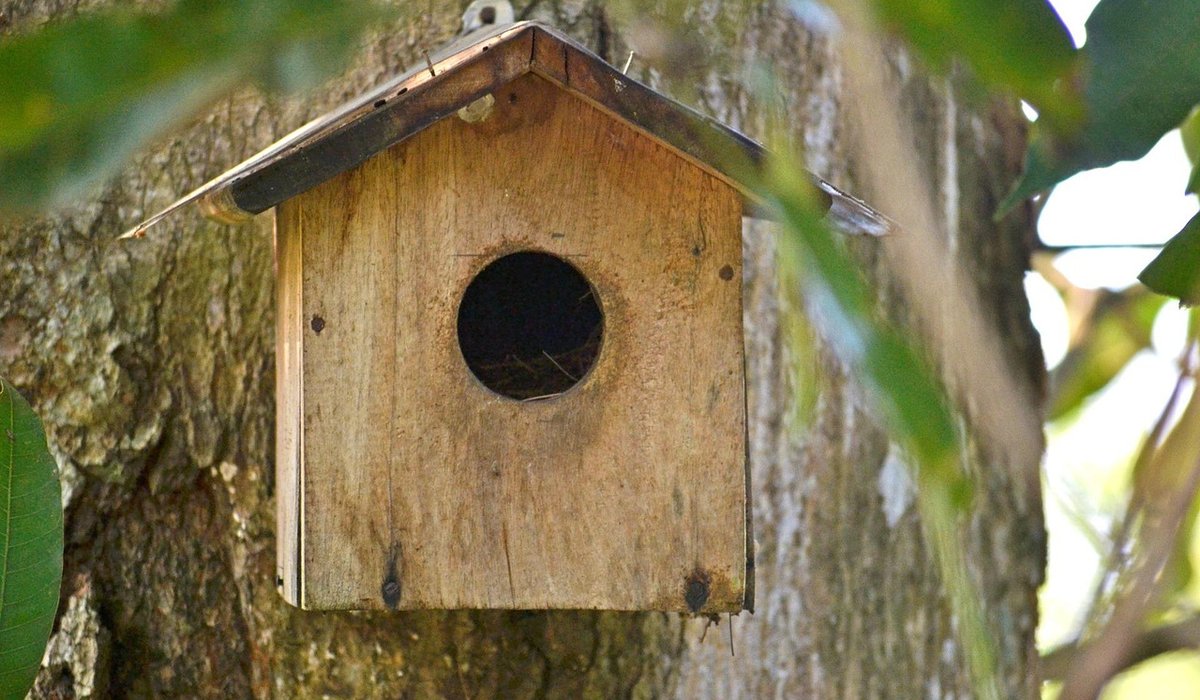
Insects are only half the story. Swifts need nest sites, and modern buildings rarely offer them. If you have a house, consider installing a swift nest box or a swift brick. Place it high – at least 5 metres above ground, ideally 7 metres or more – with a clear flight path. A north or east facing wall is best to avoid overheating. You can play swift calls from a small speaker beside the box during May and June to attract young birds looking for a home.
Finally, think in seasons. In spring, refresh your containers with fresh compost and start watering. In summer, sit back and enjoy the screaming parties – and keep the water topped up. In autumn, leave seedheads and do not cut back everything; insects will overwinter in hollow stems. In winter, clean your nest boxes and plan next year's planting. Even a tiny paved plot can become a vital pit stop for these extraordinary birds.

4 Comments