
How Weather Affects Swift Feeding Patterns
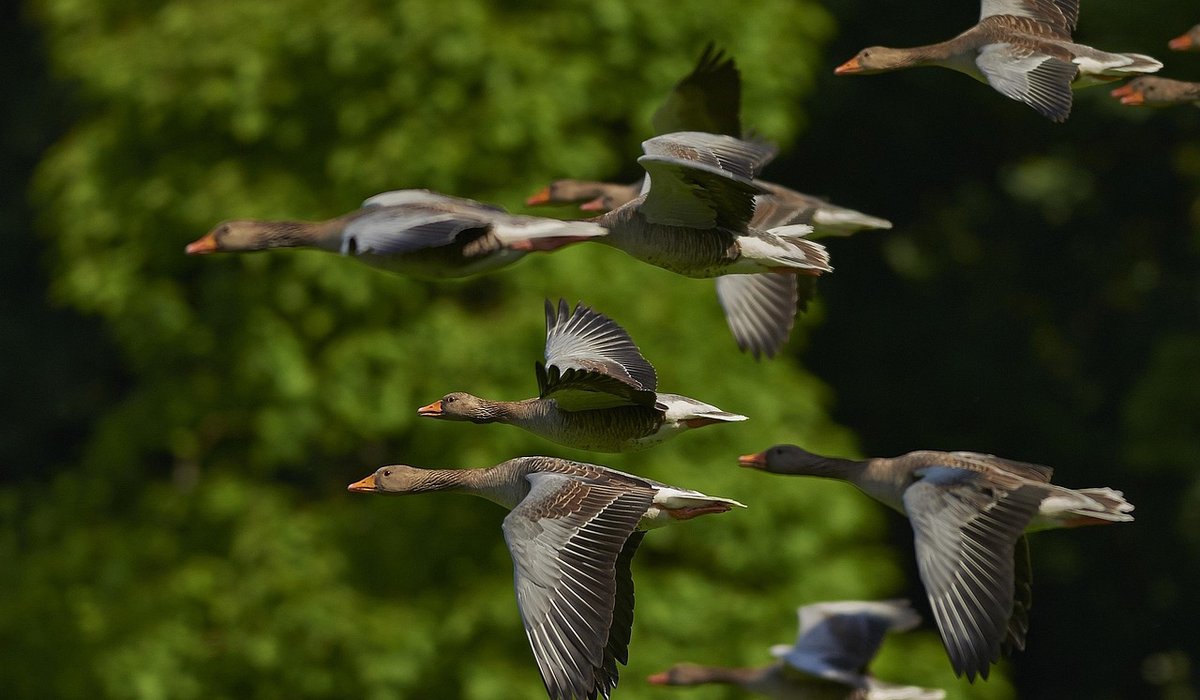
Every Meal Starts in the Sky
Swifts do almost everything on the wing, and that includes eating. They have tiny, weak legs and never perch to hunt; every insect they take is caught in mid-air, from the first aphid of the morning to the last midge at dusk. A pair feeding young can deliver several thousand insects a day, carried in sticky boluses packed into the throat. When the sky stops producing, the birds have no plan B.
That is why weather matters more to Swifts than to almost any other British breeding bird. Our Swifts arrive in May and are gone by early August, so their entire breeding attempt sits inside a few weeks of famously variable weather. Learn to read the conditions and you will understand a great deal about the birds you are watching.
Temperature: the Thermostat on the Menu
Insects need warmth to fly. On a still, sunny day above roughly 15°C, thermals lift small insects high into the air and Swifts follow them up, sometimes feeding at 500 metres or more and appearing as faint specks through binoculars. Feeding that high is usually good news: it means food is abundant and the birds can stay near the colony.
As temperatures fall towards 12–13°C, insect activity at altitude collapses. Swifts respond by dropping low, hunting at rooftop height over gardens, reservoirs and hedgerows, or travelling several kilometres to find warmer pockets. A cold, grey spell of two or three days will often see adults feeding themselves first and leaving chicks unfed. Longer cold snaps push nestlings into torpor, slowing their metabolism to survive; if the weather does not break, some are abandoned altogether. A warm, settled June is one of the strongest predictors of a good Swift year.
Wind: Direction Beats Strength
Wind direction shapes where insects gather, and Swifts follow the food. In a moderate south-westerly, look for birds working the windward slope of a ridge or the exposed side of a valley, where air is forced upwards and insects are concentrated. In a strong blow, the picture reverses: Swifts tuck into the lee of woods, hills and tall buildings, often flying fast and low along the sheltered edge.
Wind speed matters too. A gentle breeze helps birds hover and pick off insects; a gale makes hunting expensive and erratic. Watch what happens as a cold front clears: behind the rain, in a brisk north-westerly, Swifts frequently feed low and hard for an hour or two, then climb steadily as pressure rises and the air settles.
- Warm anticyclonic days: high, dispersed feeding and plenty of screaming parties.
- Light easterlies and muggy air: often excellent, with insects drifting in from the continent.
- Fresh westerlies: localised feeding in shelter, often along hedgerows and lake margins.
- Gales: birds bunch on the lee side, feeding in short, urgent bursts.
Rain: Drizzle, Downpours and Downtime
Not all rain is bad. Light drizzle on a warm afternoon often keeps insects flying low, and Swifts will happily hunt at gutter height, sometimes just above head level. Heavy rain is a different matter: it washes small insects out of the air and physically knocks them down, and Swifts either climb above the rain band or retreat to sheltered valleys and town centres.
During prolonged rain, adults may enter shallow torpor overnight, letting their body temperature fall to save energy. Chicks cannot do this as effectively, and a full day of heavy rain during the nestling period means an empty nest cup and hungry, chilled young. Two or three wet days in a row is where breeding attempts start to fail, particularly in exposed nests under tiles or in shallow boxes.
Reading the Weather on Your Patch
You can turn casual watching into genuine local knowledge with a few simple habits.
- Note temperature, wind direction and cloud cover before you start counting, then record them with your tally.
- Count birds in height bands: low (roof level), mid, and high (specks). A shift from high to low within an hour tells you the food has dropped.
- Watch the edges: the lee of a copse, a reservoir margin, a sewage works or a line of tall trees will hold birds when open ground does not.
- Time your visits for late afternoon and early evening on warm days, when feeding peaks before roost.
- Look out for flying ant days. These sudden emergences draw big, noisy feeding groups and are well worth noting.
- Keep the same route and repeat it fortnightly, so your weather notes build into a real pattern across seasons.
What It Means for Chicks and Colonies
Swift chicks need roughly three weeks of dependable food, and their survival depends on the adults finding enough on most days. A single cold, wet week in June can cut a colony's productivity dramatically, while a warm, insect-rich July can rescue a late season. This is why long runs of records matter: a quiet year often reflects a fortnight of northerlies rather than a decline in the birds themselves.
There is practical help you can offer, too. Deep nest boxes sited out of the full glare of the afternoon sun buffer temperature swings, and boxes placed under deep eaves stay drier in driving rain. Report your nest records with the weather that accompanied them; those notes give real value to county recorders. And keep watching. Your observations of Swifts feeding high, low or not at all are pieces of a picture that only patient birdwatchers can complete.

4 Comments